
Welcome!
Purpose:
I created this blog to document helpful advice I gathered during my bunion surgery and research online. I found a lot of great advice online, but it was widely dispersed and in so many different spaces. I am hoping to make 1 space with an overall helpful hub of information!
My experience/background:
I have had bunions since I was 13/14 years old thanks to my family’s genetics. I started going to a podiatrist about pain when I was around 16 years old. At 22 I have had my first bunion surgery (December of 2019). I have severe bunions on both feet, the severity of a bunion is often based on angle of which the toe bones protrude to the side. I had my left bunion surgery done, it was a lapidus bunionectomy. I am currently healing from that surgery but plan to pursue my right foot soon after a full recovery. Below is what I learned for my surgery and some of which I wish I knew beforehand!
Deciding whether or not to do surgery
Ultimately up to you and your doctor (I know, predictable answer) but consider : does your bunion cause pain that affects your daily life activities (walking dog, job capabilities, enjoying a certain sport, ect). If you are unsure or want to learn abour surgery options meet with a podiatrist and discuss option for you! If you want to try alternatives there are some nonsurgical methods you can consider before surgery, I would still speak to a podiatrist about what could work for you.
When discussing surgery know that there are several types of surgery for different types of bunions! Based on x rays your doctor will be able to tell you about your specific situation and surgery recommendations.
Also, ask if you will need physical therapy! It can mean needing more time off and more money if so so it is good to predict. If you have insurance ask what they will and will not cover (medicine, the surgery, the appointments and physical therapy) so you can get a idea of what this will cost and if you can afford it right now. To note, all of my surgery follow up appointments were very short (15 minutes) and luckily I didn’t have to pay a copay for any of them because it was a part of the surgery process/steps. Since podiatry is considered a specialst copay this saved me a ton of money since I did go regularly in the time I was healing. Ask to see if this will be the case for you. If not, how much is your copay and how many appointments will you have and in what time period?
Pre-surgery prep
Paperwork:
Get all of the paperwork signed and tests needed (often blood tests are requested by your PCP to sign off that you are healthy enough for general anesthesia and surgery).
Temporary Disability Placard:
You can ask your podiatrist about obtaining a temporary disability parking placard, details will vary from state to state but they can sometimes provide the form and medical signature needed for the application at a pre-surgery appointment. This can take a bit long, try to submit paperwork to local/proper government as much as possible in advance. In my state this temporary placard is good for 6 months.
You WILL need time off, lots of it:
Plan on how you will alter your day to day life to heal based on the time your doctor recommends having off. Consider time off needed from work and/or school, holidays, when others may be free to take your to appointments or generally care for you, especially if you are doing the right foot / cannot drive. Depending on what your circumstances allow, I would prep for a longer time off than expected rather than the bare minimum. I did not do this and it was very stressful figuring out how to get more time off of work, coverage and so on.
Get pain medicine before surgery:
Arrange for pain medicine to be filled before surgery if possible. This way you don’t have to stop by a pharmacy after, you can go home and have it ready. Make sure to have listed all medicine you regularly take to your doctor so they can know if there may be drug interactions. Some medicine like Percocet or other opioids can cause severe constipation, buy laxatives and take them. Taking narcotics can mean you cannot drive, consider that you may be unable to drive even if you did just your left foot while on certain pain medicine.
Healing/recovery space set up:
Make a space for you to be able to lay regularly (likely your bed) all prepped before you come home from surgery. Having a leg wedge pillow can be helpful (found mine on Amazon), if not you can make your own out of pillows and or comforters folded and stacked. Have a water bottle, chargers, and medicine accessible and in reach. In all spaces you will go through, try to clear a wide and easy to navigate path, so you can get through without more issues.
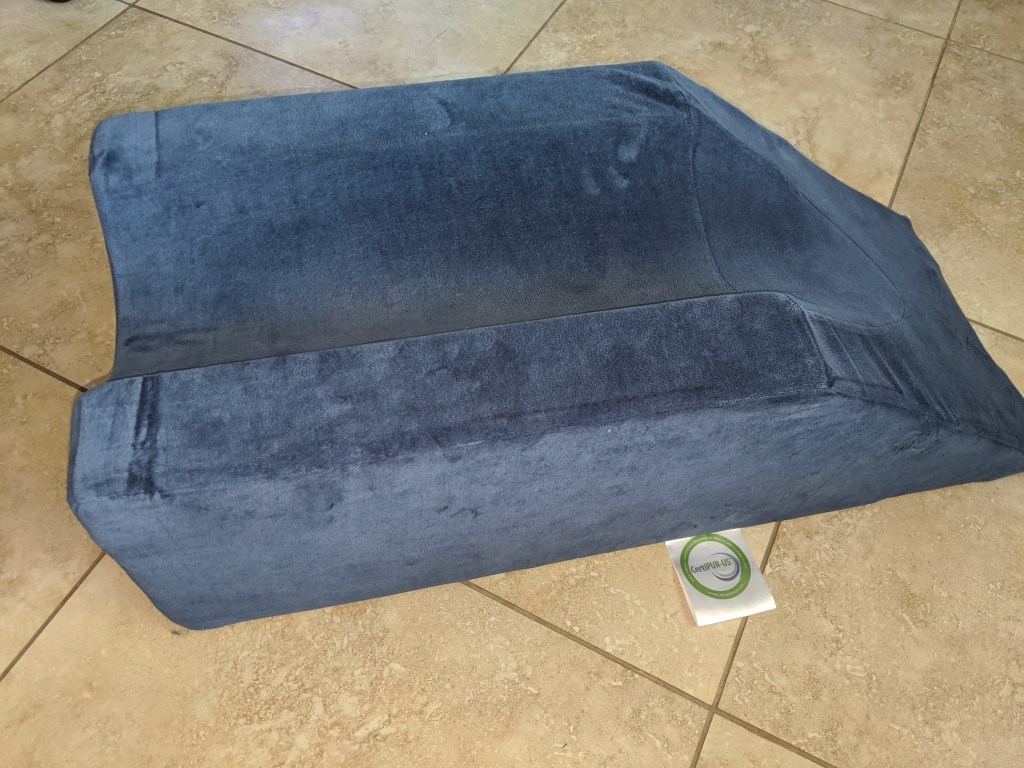
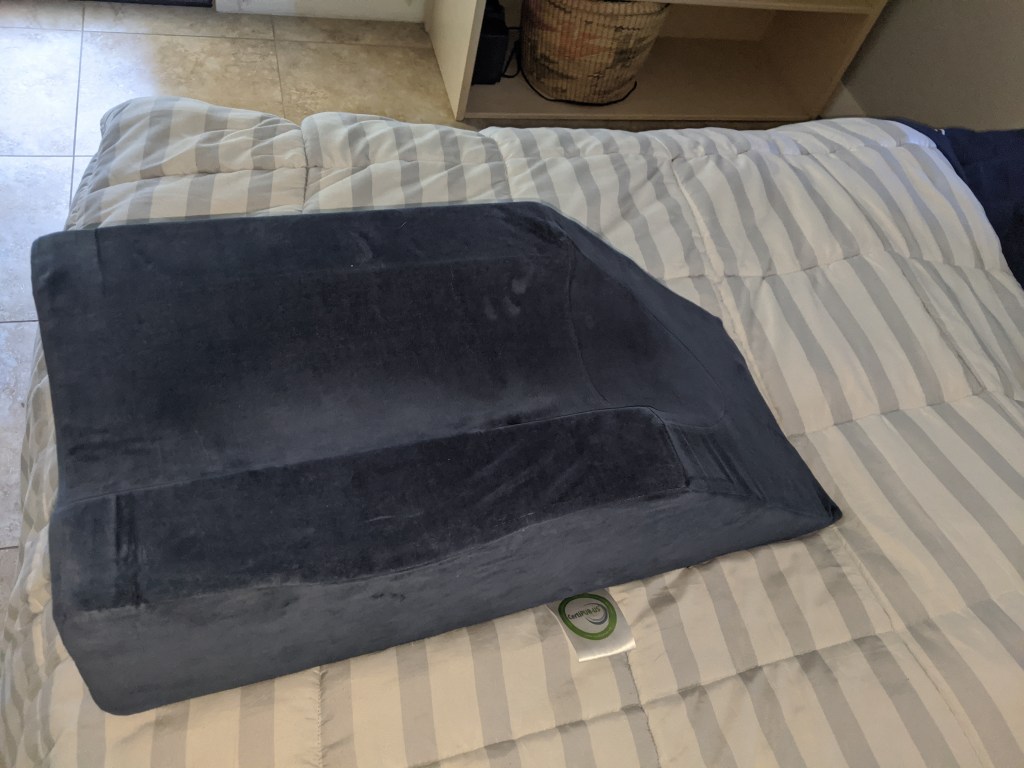
Picking just crutches or crutches and a knee scooter:
Consider having a knee scooter in addition to crutches. Ask people you know if they have some or look at Facebook marketplace/2nd hand because they can be expensive. Knee scooters are a lot more comfortable, it is a good idea to put a tote bag on the handles (a bag that won’t droop to the floor or hit the wheels) so you can easily carry items with you without needing hands. See if the scooter folds, this can be helpful when getting it into and out of cars!
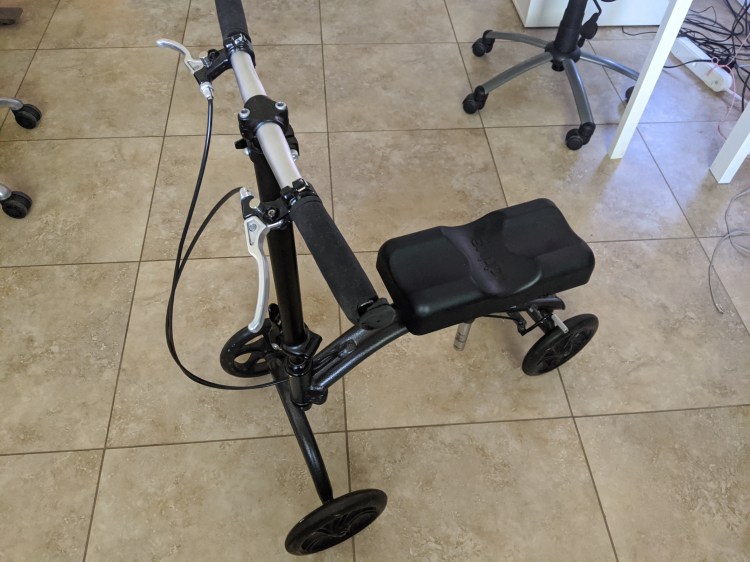
Scooter I borrowed from friend. 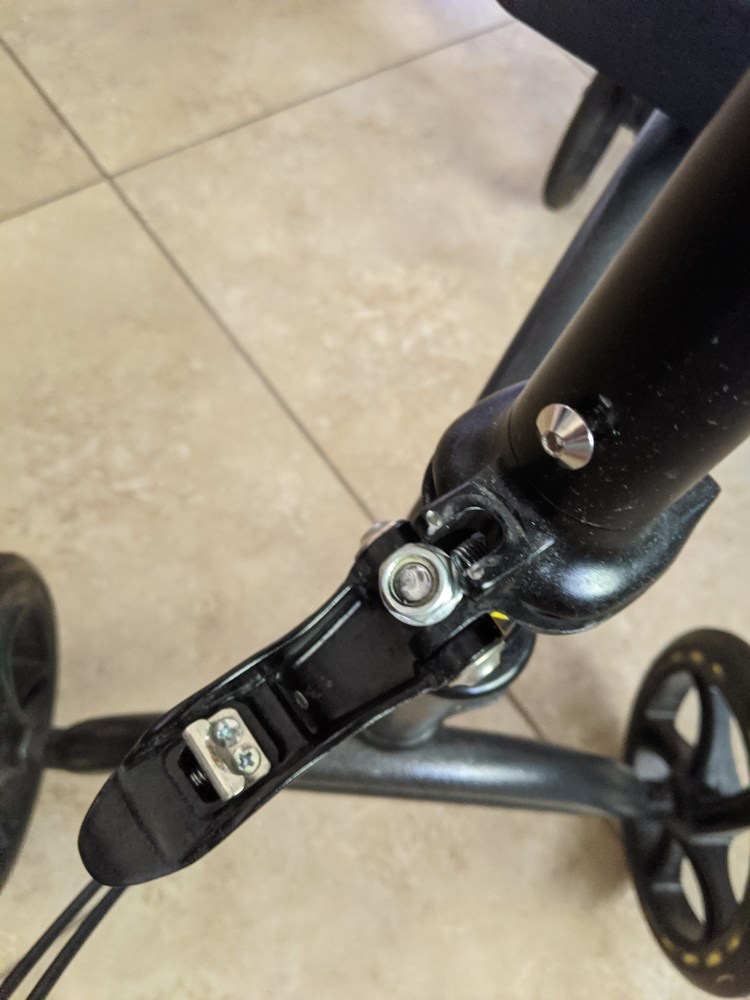
Area I found to help make it fold. 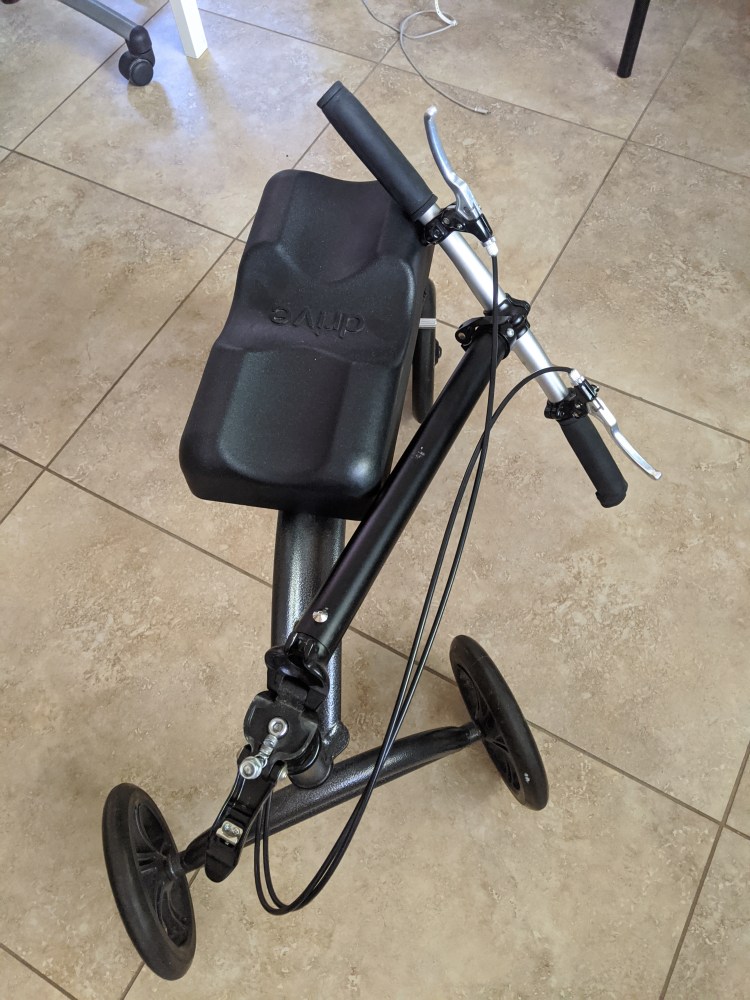
It folded. 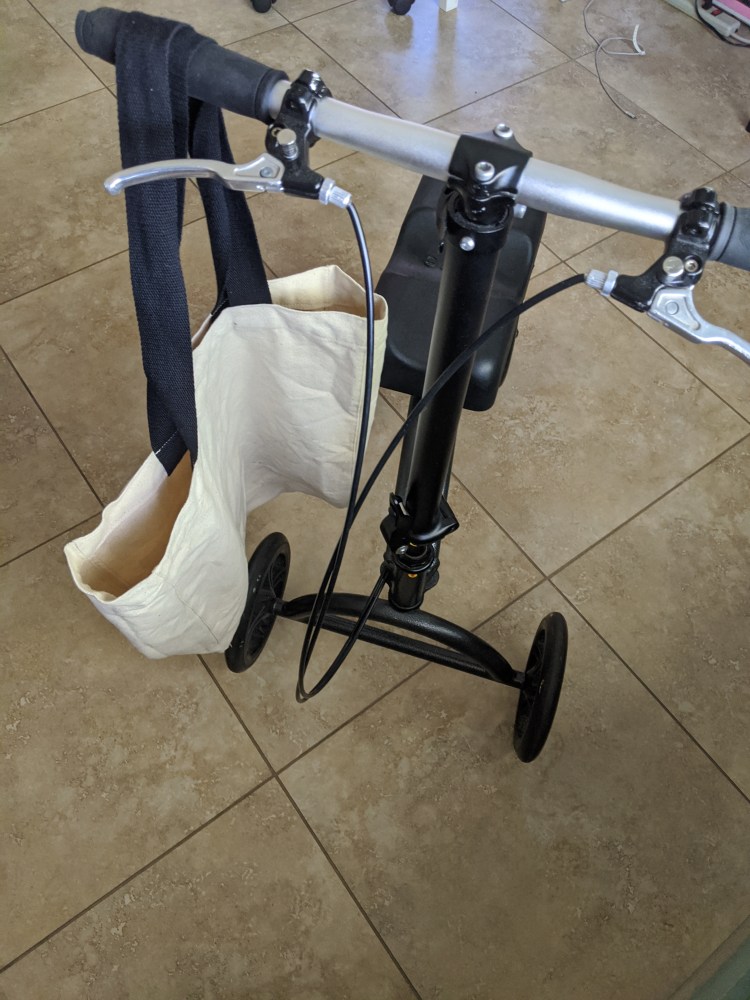
How you can put tote bag on. 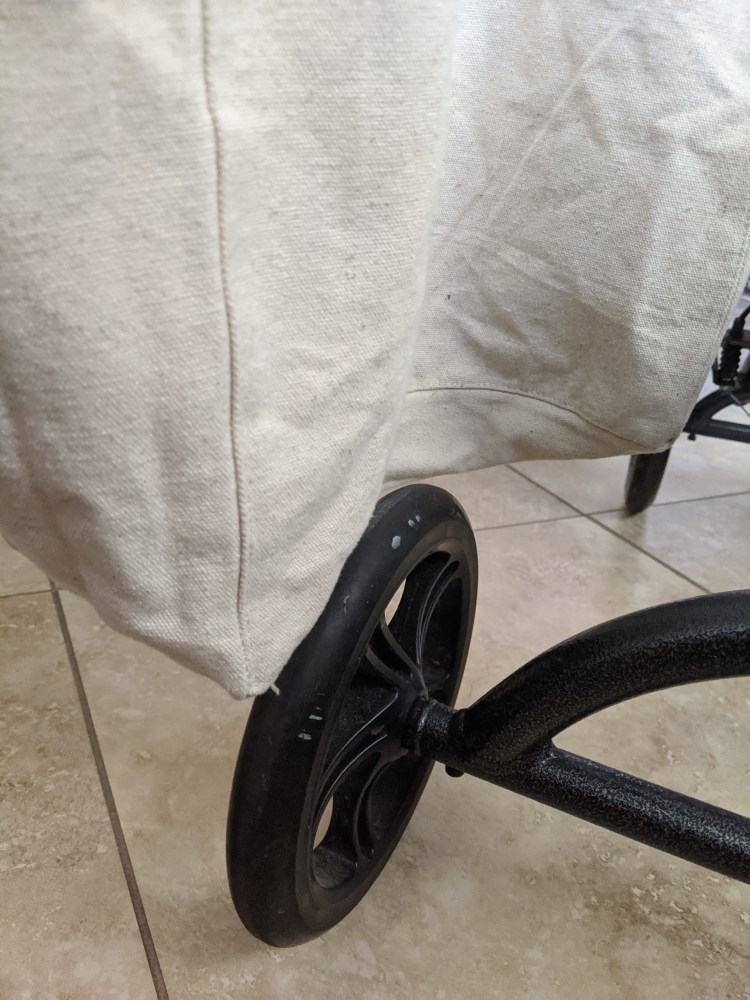
My bag was low so it drooped against the wheel. 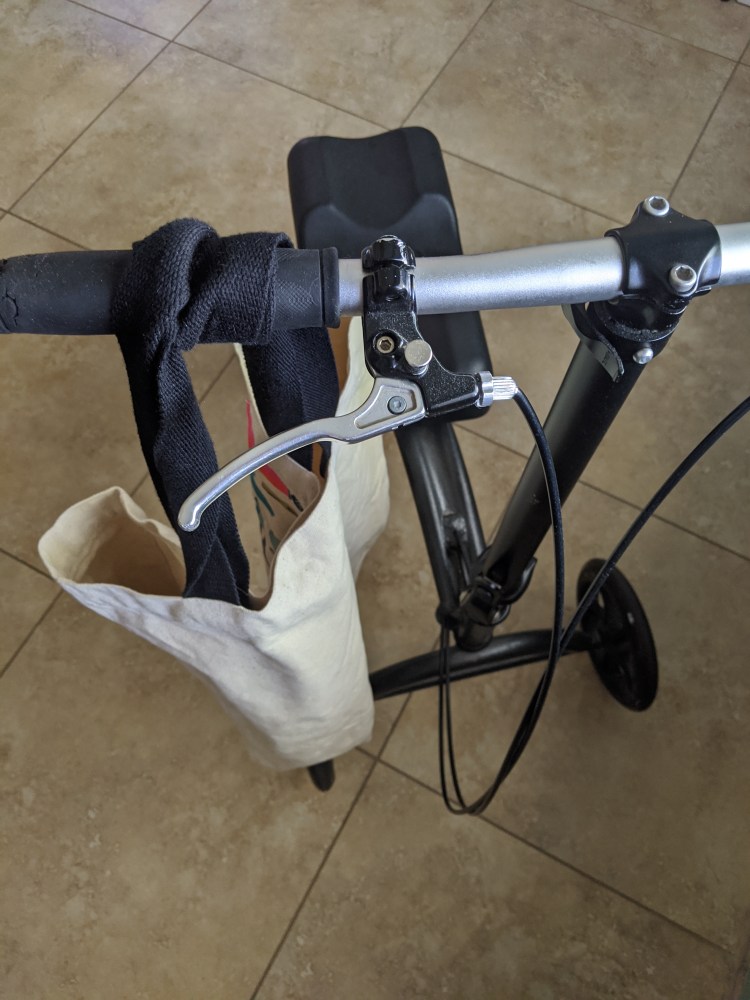
So I wrapped ther handles a little to make it shorter. 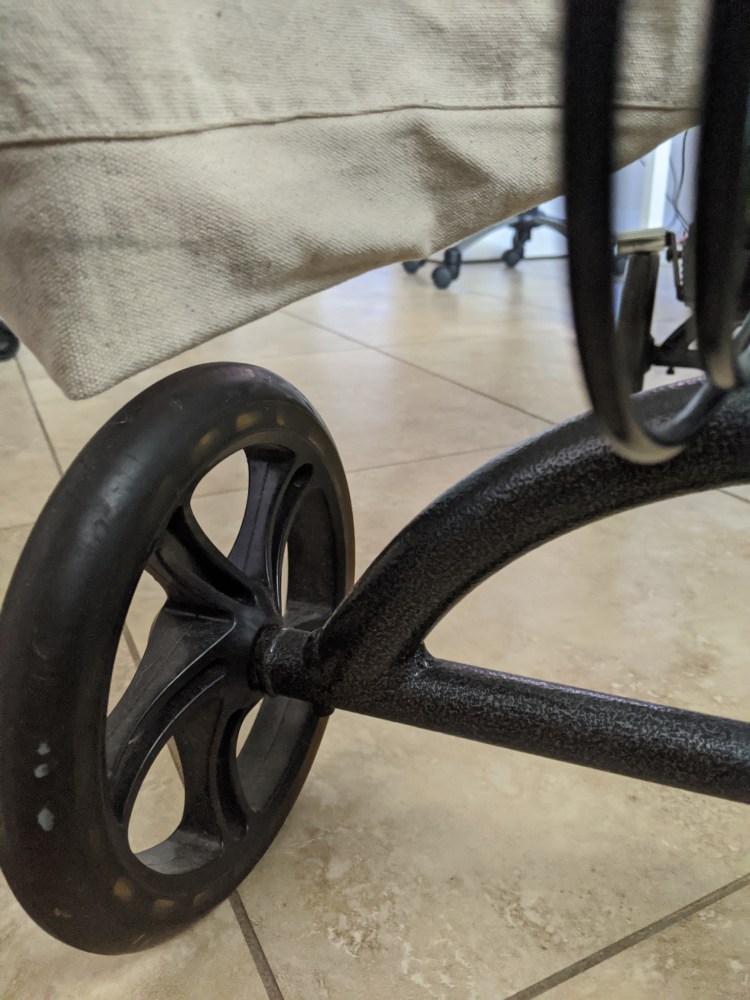
Now it doesnt rub against the wheel. 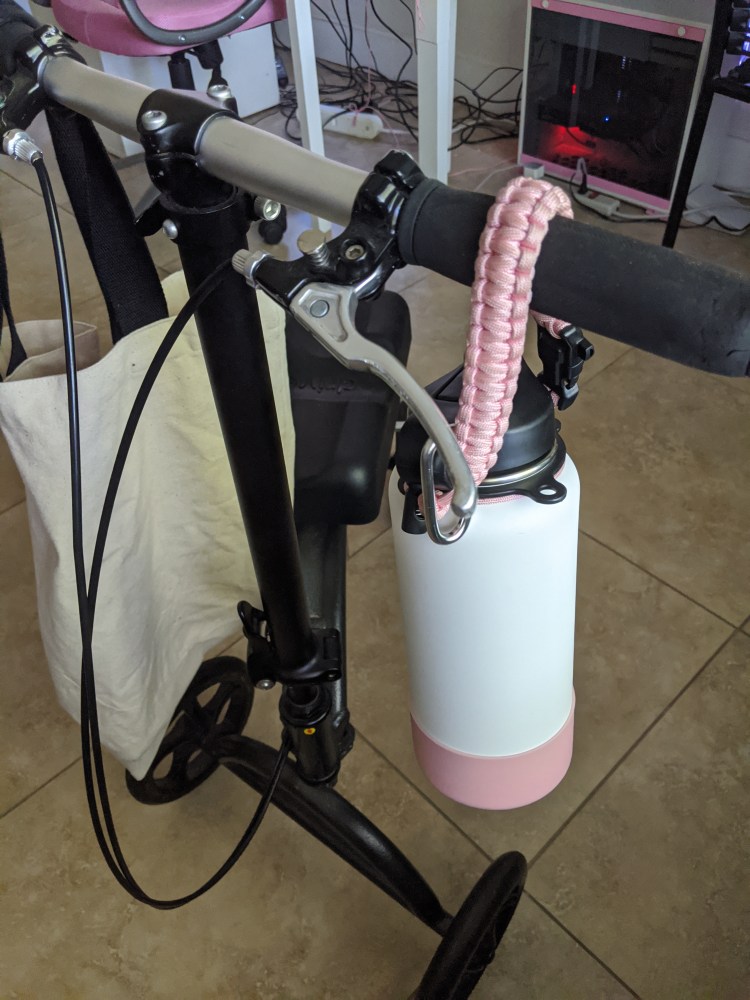
Used my waterbottle with a paracord handle I found online which was helpful and convienent! 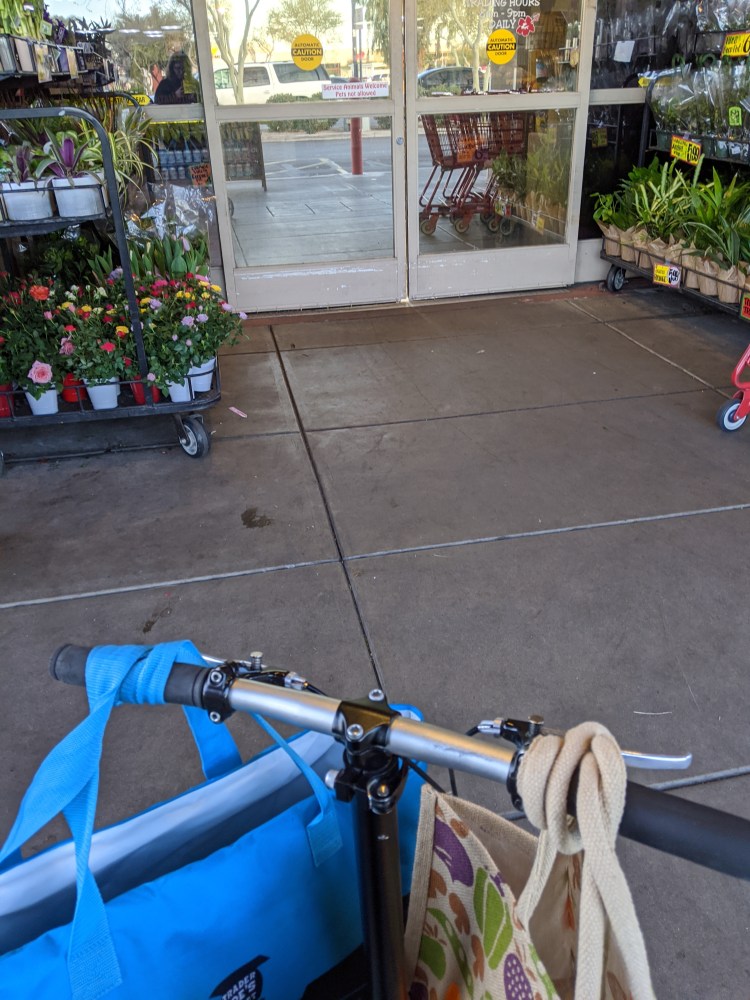
Couldnt carry or push basket, so used tote bags to shop!
Picking just crutches or crutches and a knee scooter:
Consider having a knee scooter in addition to crutches. Ask people you know if they have some or look at Facebook marketplace/2nd hand because they can be expensive. Knee scooters are a lot more comfortable, it is a good idea to put a tote bag on the handles (a bag that won’t droop to the floor or hit the wheels) so you can easily carry items with you without needing hands. See if the scooter folds, this can be helpful when getting it into and out of cars!
Crutch and knee scooter practice:
Practice with crutches and/or scooter before surgery, not just walking but also getting in and out of bed, getting in and out of the car (I use both my scooter and crutches to make this work when I am alone), getting in the shower and using the toilet, and so on. It will be helpful to think through a plan before you have the surgery, so if adjustments need to be made they can. Talk to doctor or research how to use crutches, you aren’t supposed to lean on your arm pits, it will be damaging and painful if you do.
Arm strength- physical prep:
Crutches and scooter usage requires using a lot of upper body strength I didn’t prepare for, I wish I had been more fit especially in the arm area before the surgery, because I used my arms a lot to supplement the lack of a leg. So if possible, beef up your arms!
What to wear:
Prepare proper attire for your surgery day and time after. You need to be able to go home in pants that can fit over a thick wrap on your leg so shorts, skirts or wide stretchy pants are ideal. I accidentally wore fitted yoga pants day of, after my surgery they said they would have to cut them get them on me or I had no pants to go home in. Luckily I had someone drop off some shorts for me instead (I lived close by the hospital and really liked those yoga pants). Once you get a removable boot with a smaller wrap under, you can put pants in boot, but keep in mind your knee will be pushed in your scooter often so rough fabric can cause imprints/irritation to the knee (way more of an issue than I predicted, it hurts). I would suggest comfy shorts when this is an issue and super soft fabrics.
Food:
Have food ideas mapped out, if possible do a food prep, buy frozen/microwaveable food, lots of easy snacks or have someone make you food. It will be a lot more inconvenient to do the process of cooking, every movement will become a lot more challenging and take longer. When making food it can be helpful to put things in sealable containers when taking them to a table/place to eat, then putting them in a bag on your scooter or arm to carry them.
Hygiene:
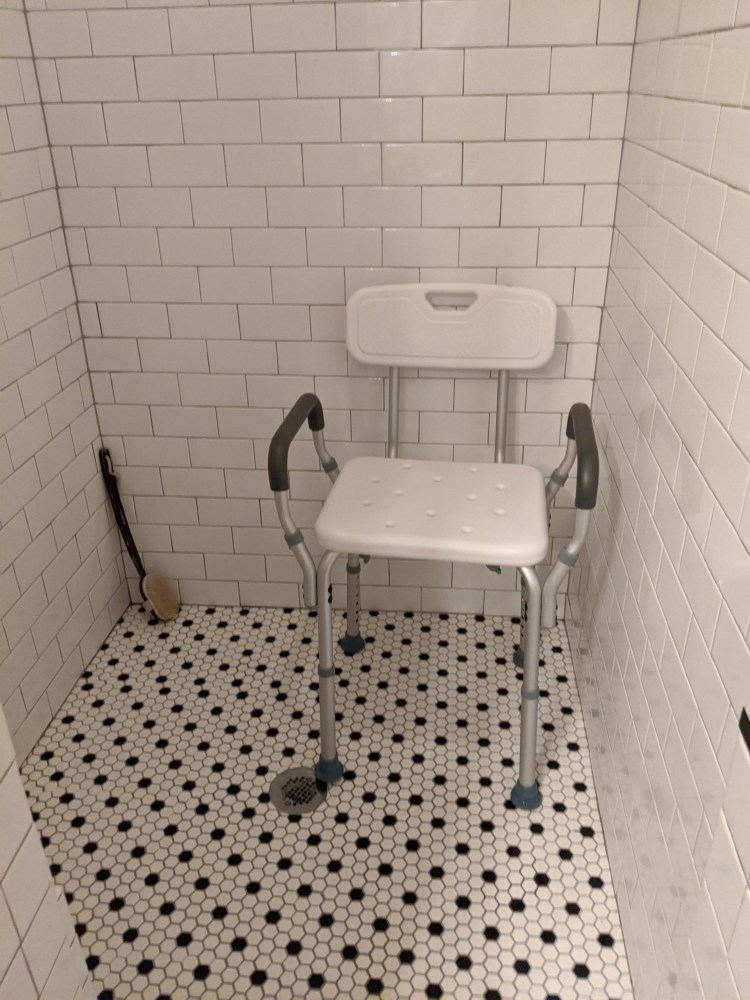
How will you shower/bathe? Having a shower chair can be instrumental, having a person possibly help you ( if needed in bathing suits) and test the best way to safely get in and out, keep in mind everything will be slippery and wet. Have large garbage bags to wrap around your leg (think foot to knee). I used 2 bags, both taped down to skin (packing tape, exercise tape, so on). Keeping it dry is super important, but being clean is also important and will make you feel better.
Getting home from surgery plan:
You will possibly be required to have a designated ride home, my hospital would not let me take a taxi/ride share unless I was with a designated person I provided contact information about beforehand. I would suggest having that person go with you to the surgery and stay in the waiting room or hospital and they will be ready when you are done to drive you home/go home with you. Also if they can be there for the conversation you may have with a doctor when leaving please do. I completely forgot everything the doctors told me about my discharge because I was still out of it but luckily my designated person was there and told me what happened. So have a person you can have take you home, check with your doctor or surgery facility on if they require this.
Emergency contact information:
Get emergency contact information for doctor or facility, just is case you have a urgent question. Save to phone as a contact so you don’t have to search for a slip of paper.
Surgery Experience
Ramble of my surgery experience:
I have had 1 other small surgery when I was younger that went well, but I was terrified for this surgery. I had to fast (no food, water, medicine, gum, anything) starting at midnight the night before. My surgery was at 1pm, I was told to arrive at 12pm. The facility I was at was an outpatient surgery center not a full hospital. Thankfully all of the staff was super kind and helpful. I was nervous so I did bring a stuffed animal with me for comfort. I basically was asked to go back, change into my surgery gown, lay in the hospital bed and had a few doctors tell me what to expect. I had to confirm my name, birthday/age, surgery type and which foot many times. My doctor wrote her initials in a black marker on my foot she was doing the surgery on. My surgeon was my actual podiatrist so I knew her and she was incredible. I was crying a little before I went in but the nurses helped me calm down, I was nervous about the anesthesia. They cleaned my foot, which did tickle, and I received anesthesia through the IV in my hand. I was wheeled to the operation room, and still conscious as I was transferred from my hospital bed to the surgery bed. I saw my stuffed animal being wheeled out with my hospital bed and then I was out. Around 2 hours later (the surgery was about 1.5 hours) I woke up, I saw a nurse around me and I felt groggy but no pain or discomfort at all. After a few minutes I felt fully awake and they had my designated person to pick me up come in to see me. They told them all of the details for what to do right after, because I was still sort of out of it and tired in general. I was wheelchaired to the car, my nurse helped lift me in the car and went home. I had a large wrap on my foot and they gave me crutches. I did not feel any pain, which really surprised me. In general throughout this experience I have occasionally felt a tinge of discomfort when just being still but mostly pain is when I accidentally bump my foot or when my toes twitch which doesn’t feel too good but the pain usually is gone within the minute. I have no idea how normal my experience is, but the internet made me very scared as to how painful it would be. Honestly, at a week out now when I am in bed or sitting I sometimes forget I had surgery and have to stop myself from standing up like normal and putting weight on it, because my foot doesn’t feel different, only a little heavy with a wrap or boot. I have only iced my knee the first 2 days but I haven’t iced at all other than that, mostly because it is winter where I live (where it is around 45-65 degrees Fahrenheit, which is cold for me lol) and I have no heating in my house so I feel like my foot is always cold anyways. I also have had very little swelling at my first check up, 3 days after surgery. I saw my foot (when we changed wraps) and only the toe area was a little swollen/puffy, now a week later my foot has no swelling at all. Again, I do not know how normal this is but it is my experience which I am grateful for. I do keep my foot up a lot, especially at first where I kept it up as much as possible. Now a week or so after surgery I would guess my foot is down in normal sitting position up to 10 hours a day now, due to me working at a desk and driving, and I have no issue with pain/swelling and so on.
Update!
I am just about 3.5 months from my surgery and doing great and healed! Here is my timeline:
Met with podistrist to discuss bunions, got x rays and talked about surgery, my surgery was scheduled about 4-5 months out which surprised me, so they may be booked up a bit!
The month before my surgery I met with my podiatrist, got told what labs I needed or any documents needed to clear me for my surgery.
About a week and a half before my surgery I got my labs and was cleared.
A week before my surgery I had a podiatrist appointment to go over the details of the surgery and sign some paperwork.
Midnight before surgery I started fasting.
Day of surgery got to hosptial 1 hour early, which is when I was directed to be there. Had my surgery done then went home, mostly slept all day. My foot was in a thick soft wrap and bundled a lot.
The 3rd day after my surgery I went into my podistrist’s office for my first round of x-rays. I has a soft wrap that was then also paired with large boot, but still didn’t walk on it, it was to protect my foot.
10 days after my surgery I had another set of x rays, was given a new ace bandage wrap and was told I was now allowed to wash my foot. Just mild soap and water, and to naturally let the tape over the stitches fall off and be gentle.
25 days after my surgery I went in for another round of x rays and thats it. At this point all of the stitched tape and dry blood had washed off, but my skin was very dry and peeling on my foot.
40 days after my surgerry I was able to use the boot to walk, but only in the boot. But I no longer needed crutches or the scooter! I felt comfotable using gentle scrubbing on my foot to get some of the dead skin off and applied a thick layer of vanicream and put socks on to help the skin get back to normal. Walking is weird, but way easier in the boot. I kept the boot next to my bed because even walking a few feet to the bathroom was awkward and felt harsh on my foot. I was also told to start doing toe stretches by pulling my big toe up for about 1 minute around 3-4 times a day, pulling it down for 1 minute for 3-4 times a day and would spend about 1 minute trying to pick up a piece of tissue on the floor with my toes also 3-4 times a day. I did this when I first woke up in the morning a few times at night, if I was free I would try to do it at lunch as well. It was really helpful to try and do it before I went out for a long period of time, I worked in an office setting so knew I wouldnt be able to do my stretches for a 9 hour period and it felt good to stretch out.
54 days after my surgery I went in an had x rays and was allowed to leave without the boot and just in normal shoes! It felt weird and I went slow but so excited.
At the end of the first day of walking on my foot it felt like my surgery leg ran a marathon. I asked my partner to massage my calves and they could feel the normal muscle density in my non surgery leg and my surgery leg calf was basically jello. It was crazy to physically feal how much my muscles weakened with the lack of use!
60 days after my surgery, so 6 days after starting to walk on it normally, I started doing yoga. I went super slow and didn’t force myself and adjusted when needed but really wanted to start getting strength back in my leg and foot.
88 days after my surgery I went in for my last x ray and check in. I was told my foot was fully healed, my flexibilty and strength were going well and to not need to come back unless I had any issues. At this point I only had pain when I was balancing on my surgery foot and would twitch in a way the used the ligament that was affected in surgery, and pain only lasted up to 20 seconds. I asked my doctor about further strengthening and gaining balance back on my foot. She recommended I balance while brushing my teeth while holding the counter and using time like that, or washing dishes to support your body while you ease yourself into the strengthening.
Now 110 days after my surgery I feel very comfortable, but my foot isn’t back to its normal strength yet. I definetly don’t have that bunion pain anymore there but my foot does feel tired if I am on it a lot, esepically if I am barefoot or wearing less supportive shoes. My podiatrist said swelling can last 6 months to a year after the procedure so it can be helpful to still wear wider width shoes or shoes that flex, but I haven’t experienced any swelling since the first few days after surgery. I personally have only really worn tennis shoes with good support, occasionally basic low top converse for short outings and briefly sandles when taking out trash. I work on calf raises which are still difficult, try to balance on my foot while having a wall or pole near me in case I fall and stretch my foot often. My scars are noticable but dont bother me, just thin pink lines on 2 spots of my foot, 1 right on my bunion area about 2 inches long, and one 1.25 inches long more in the middle of the foot on the inner side.
Photos: (caution some have dried blood, bruisinng, dry skin and are gross, also pls don’t use my pics for any fetish, thx)
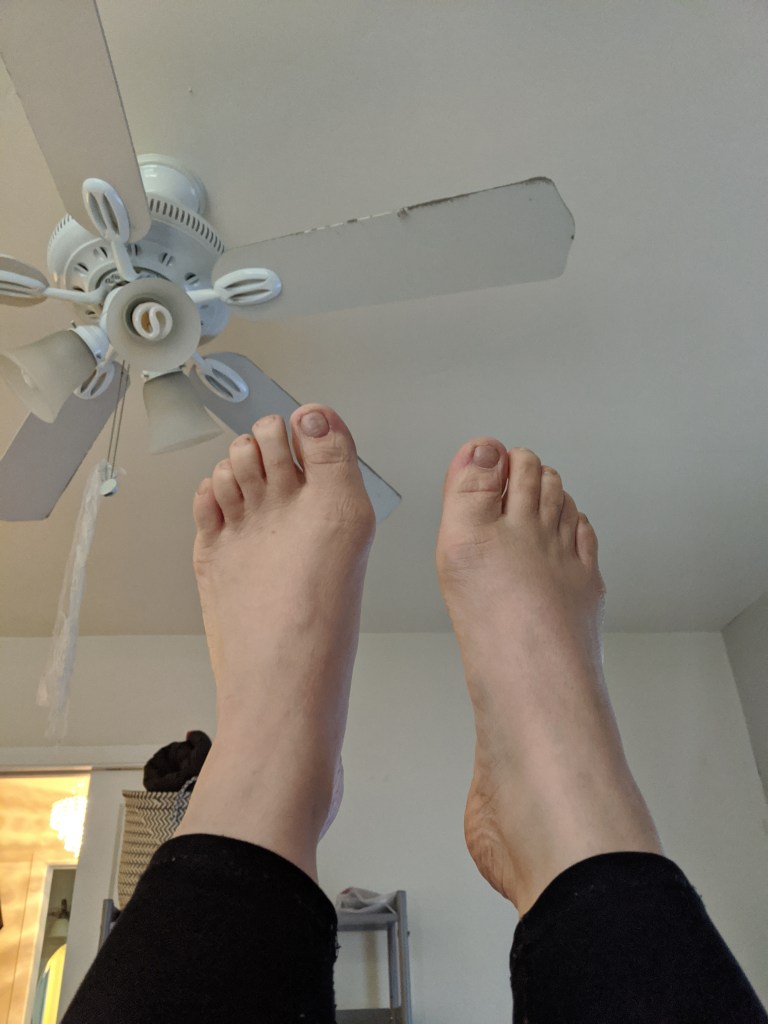
The only before pic I have of both feet, my left is what I got my surgery on. 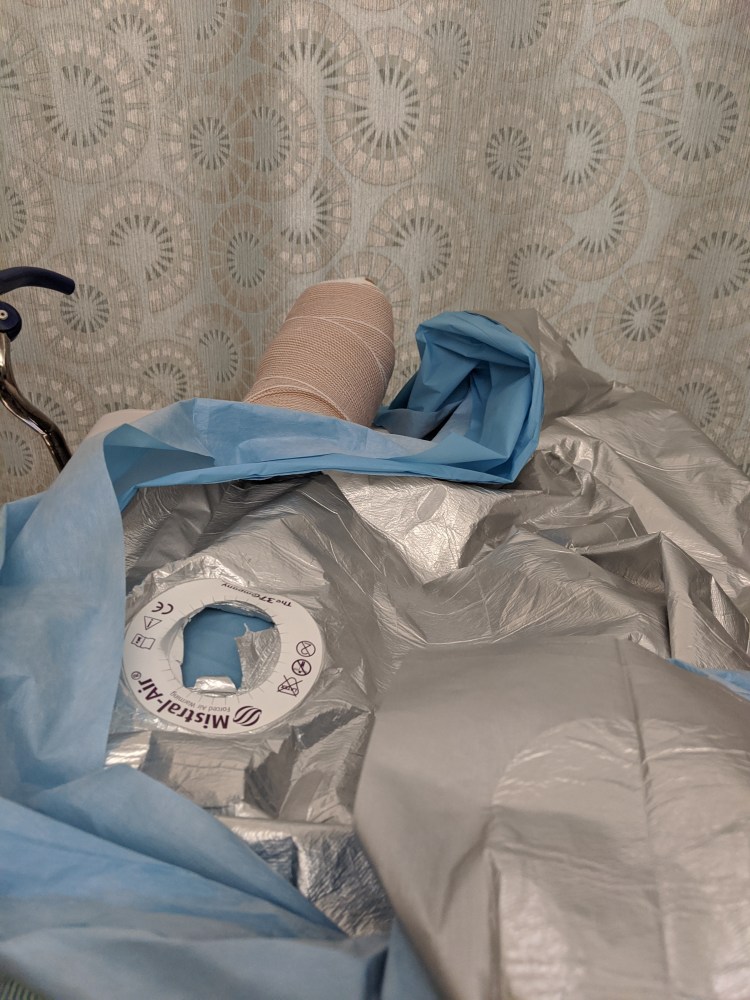
Right after my surgery, my view when I woke up. 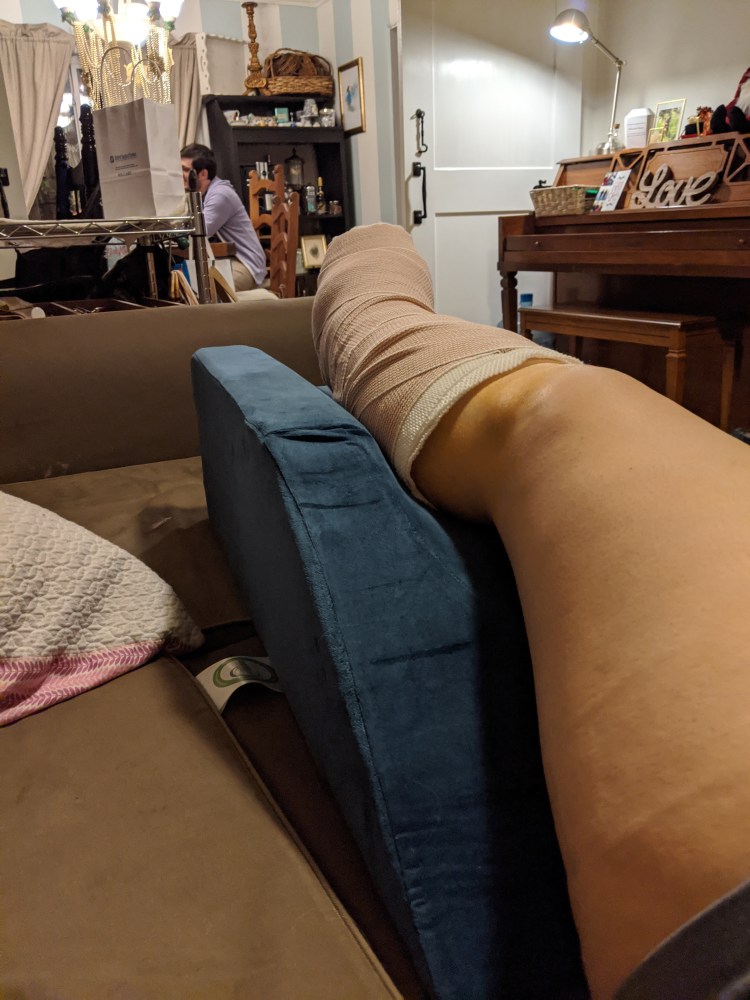
Day of my surgery 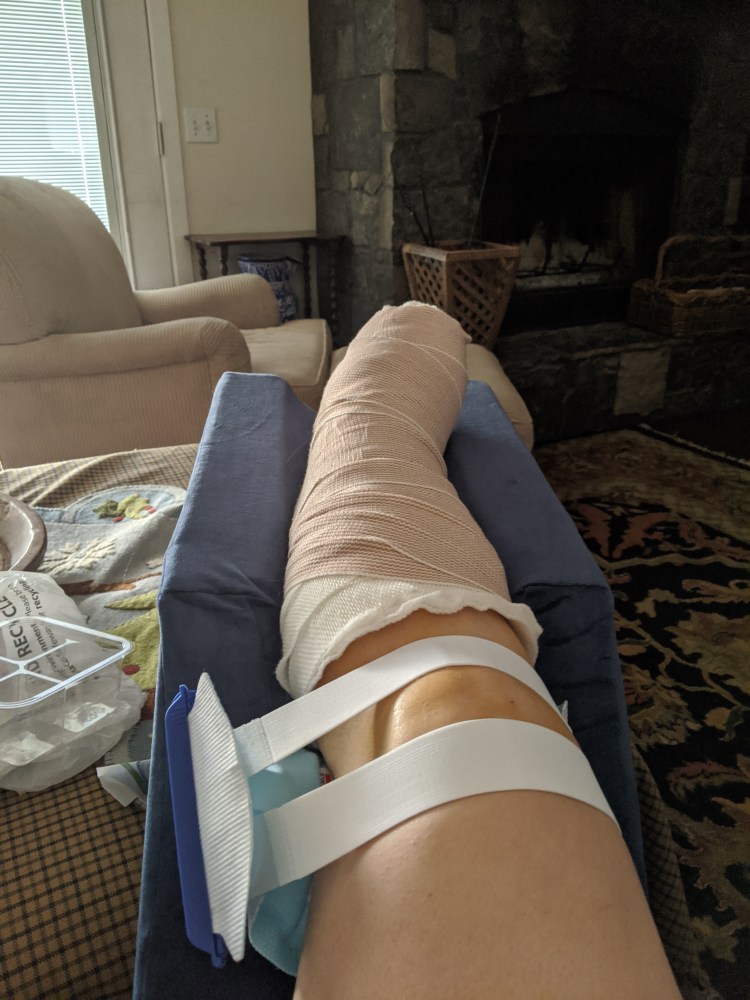
Day after surgery 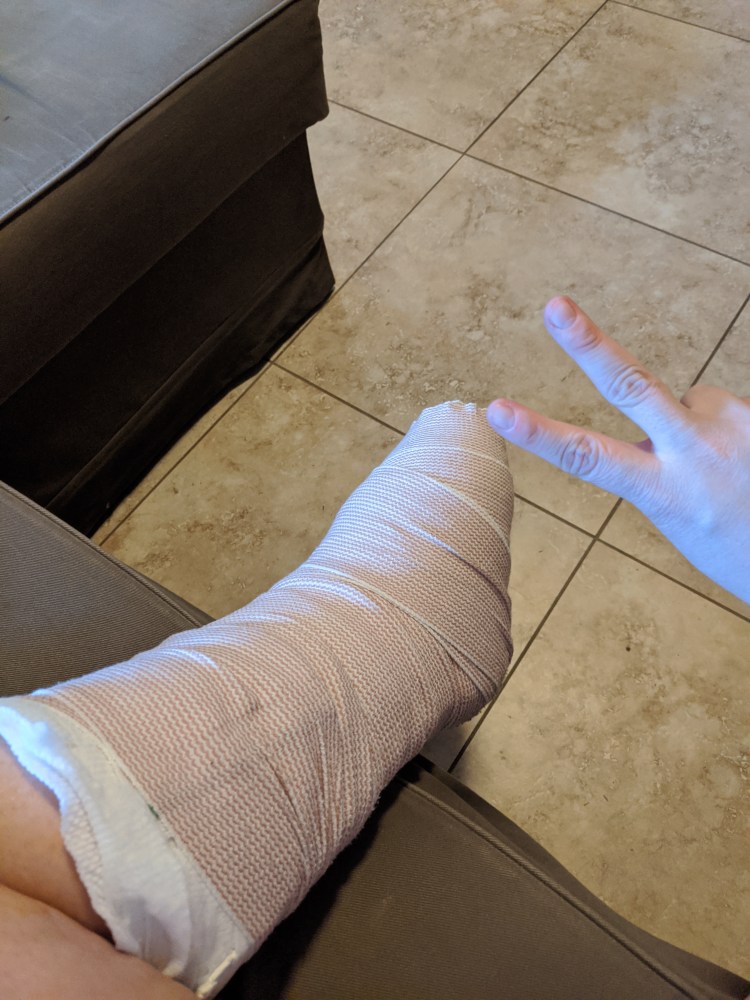
2 days after surgery 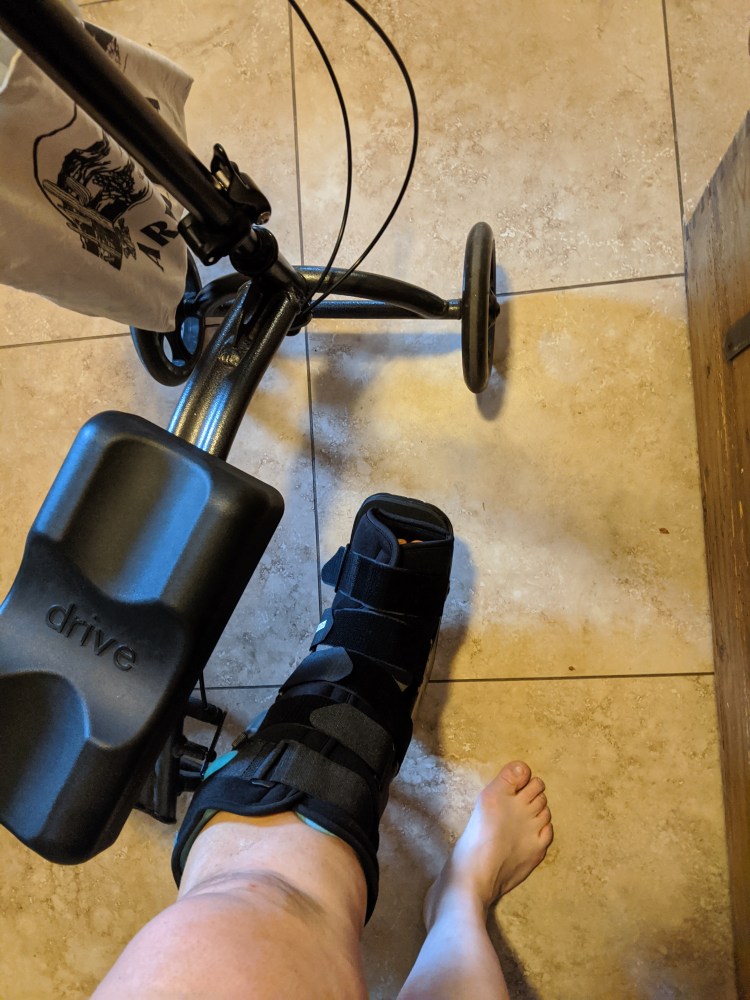
After my x ray visit with the podistrist, getting my boot on. 3 days after surgery. 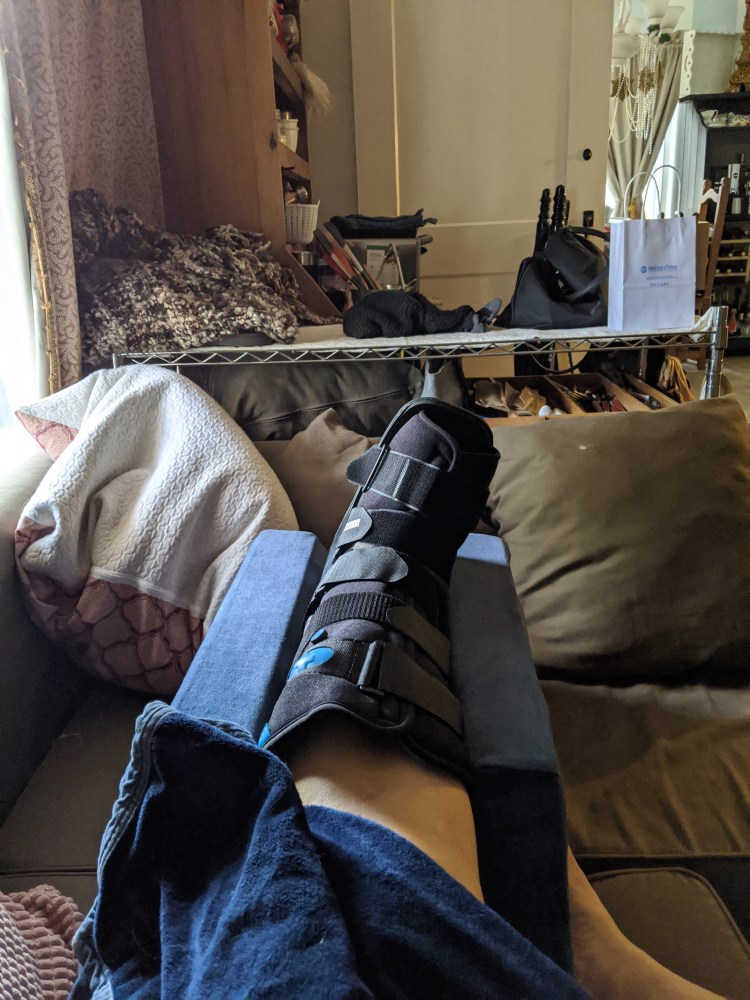
How I rested my foot (3 days after surgery) 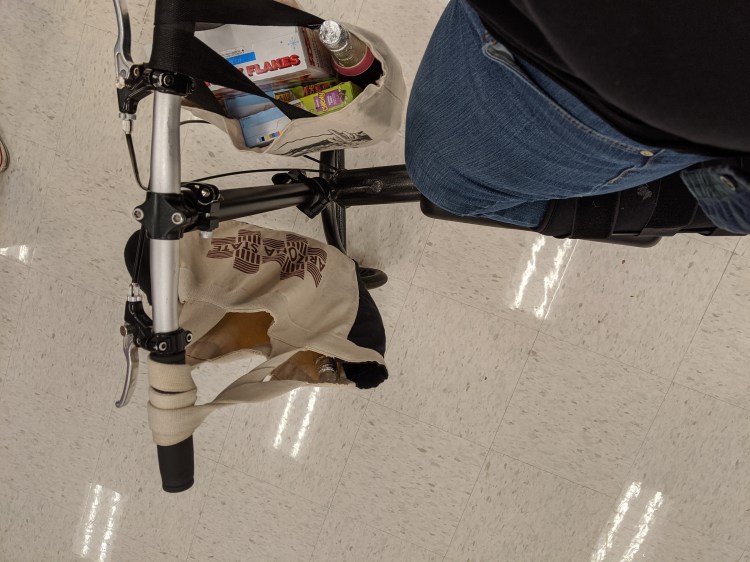
4 days after surgery, felt eager to get out of the house. Went shopping, see my tote bags in action! 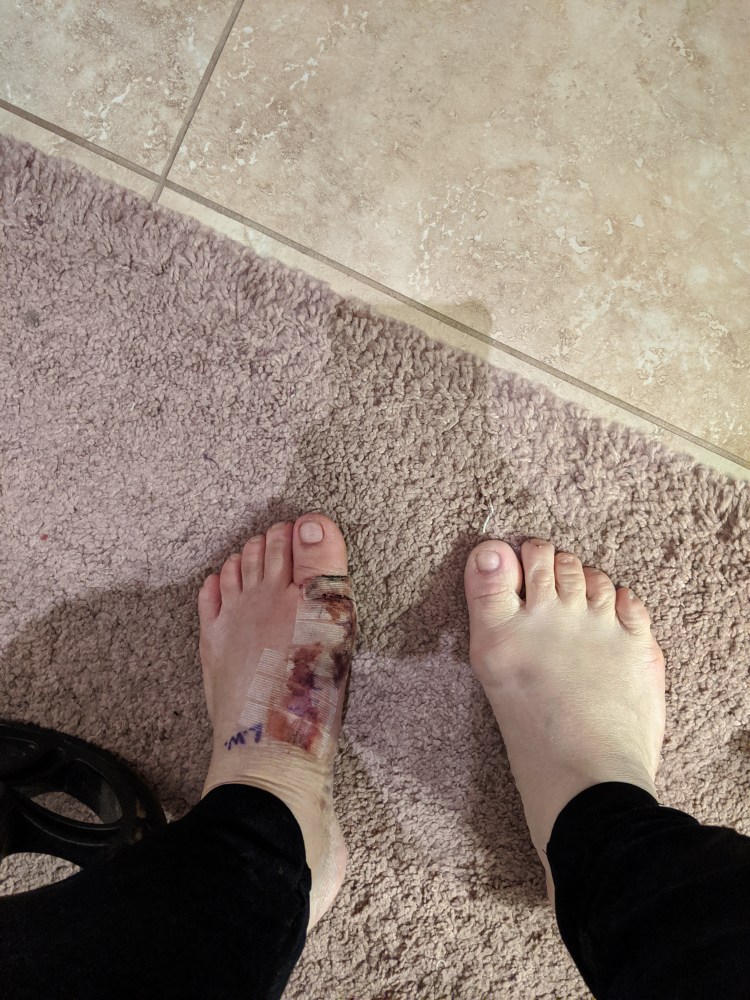
10 days after surgery. Not putting pressure on foot but wanted to see what it looked like next to my other foot. 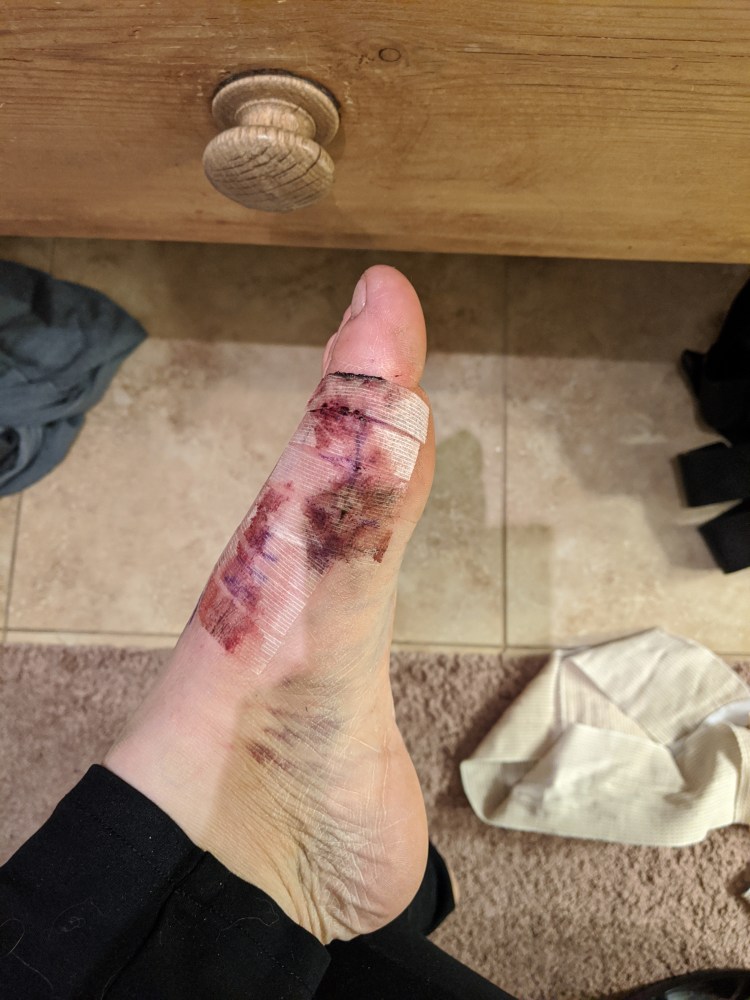
Brusing, dried blood and tape over stitches. Allowed to start getting foot wet. 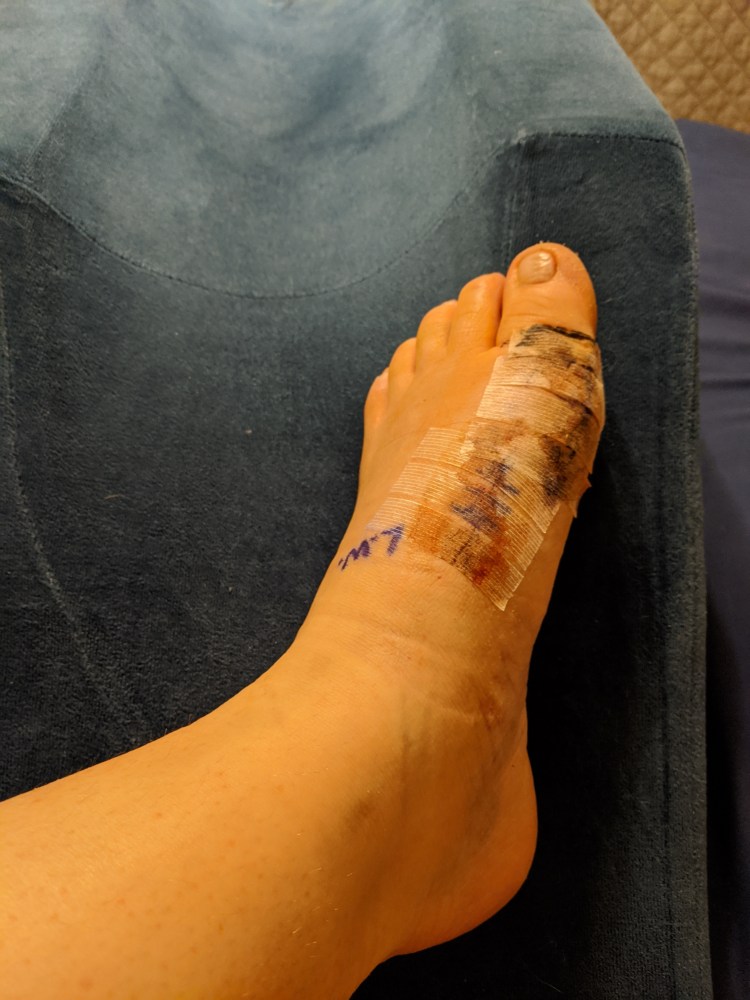
14 days after surgery. Been cleaning my foot and some of the blood has gone away and tape is loosening. 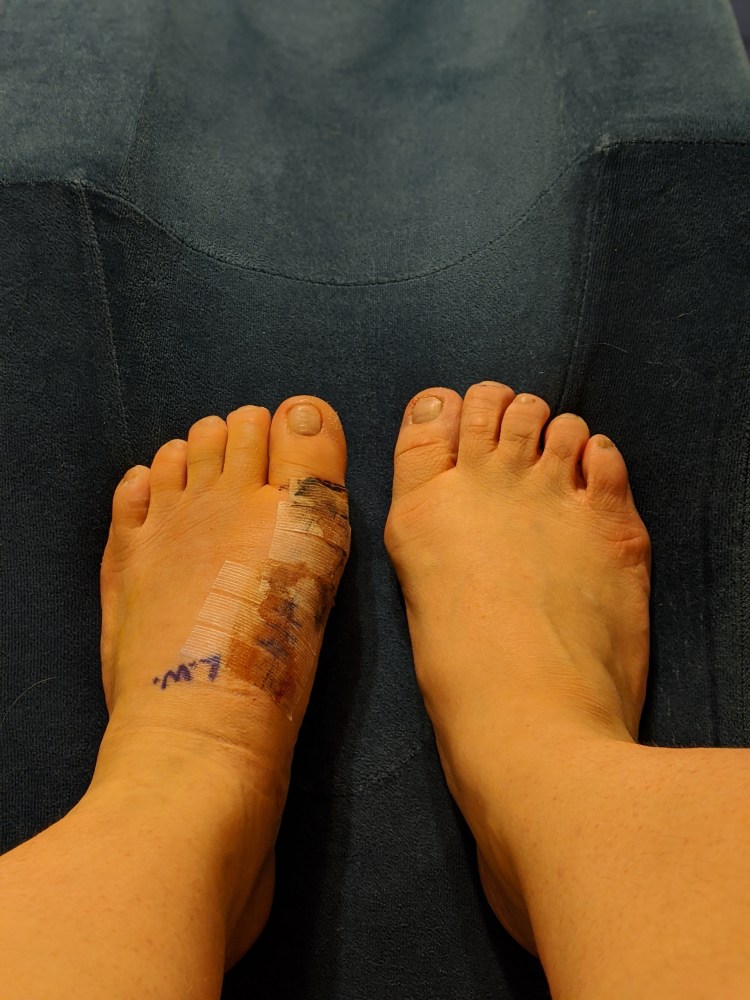
Comparison of my feet, 14 days after surgery. 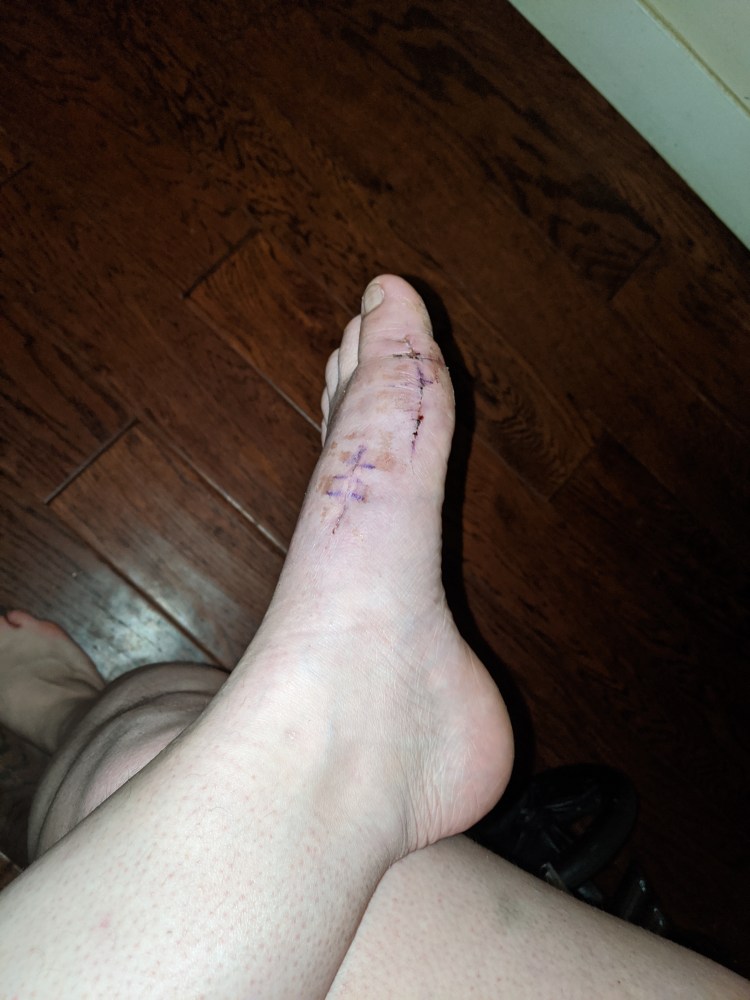
24 days after surgery. All tape gone, dry patches of skin and marker left over mainly. 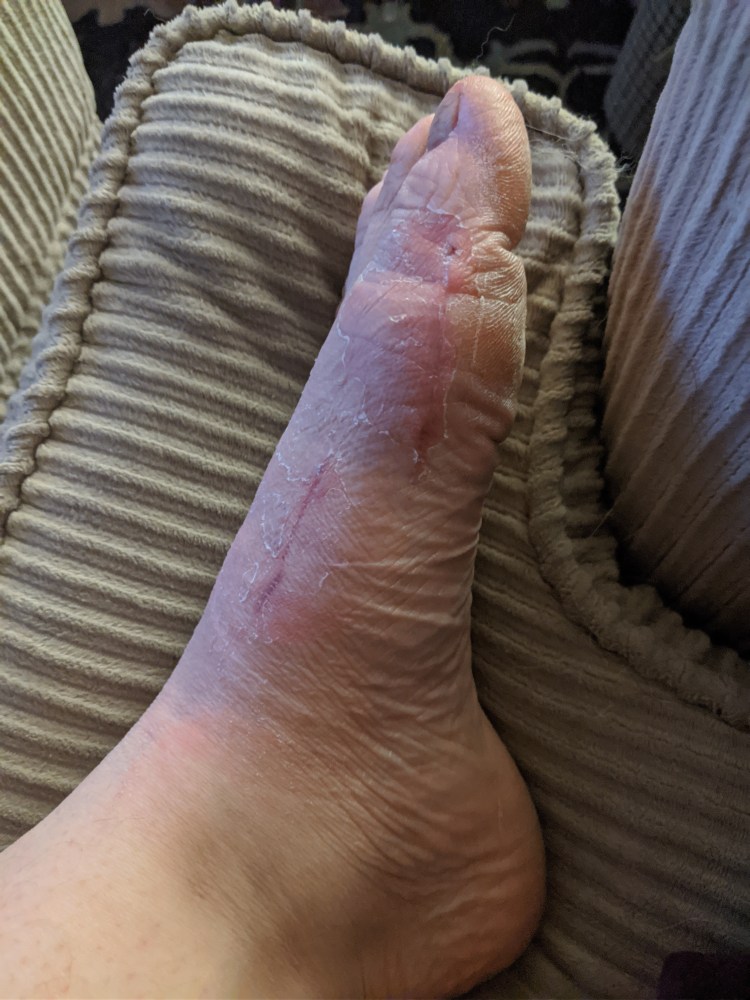
36 days after surgery. All scabbing, dry blood gone. Left with peely foot and lots of dry skin 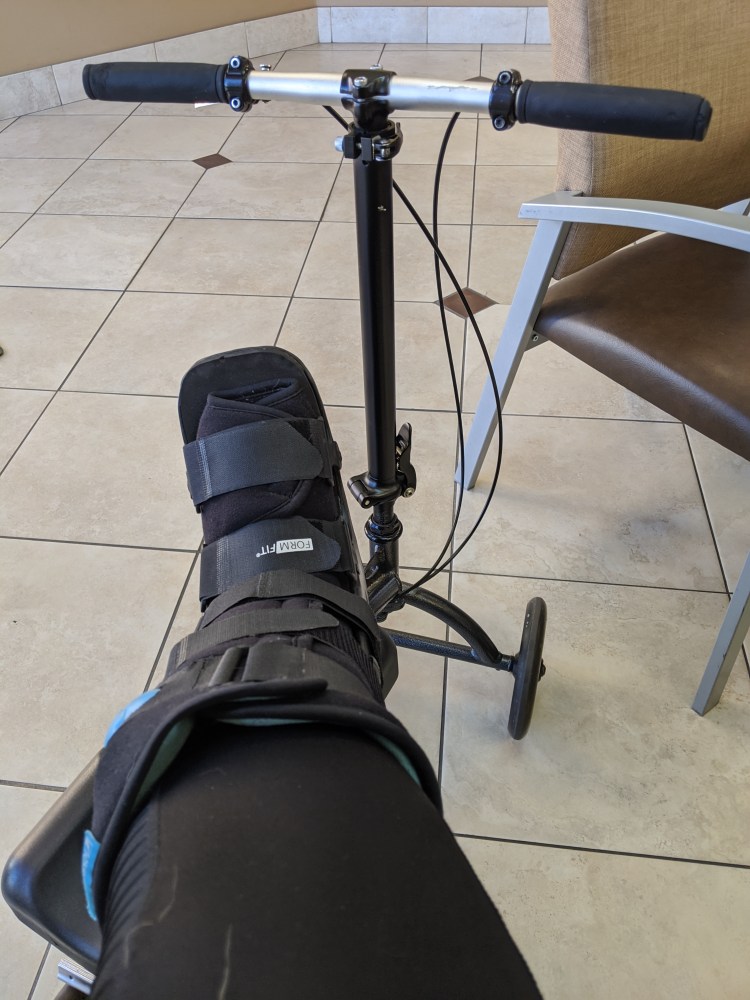
40 days after surgery, waiting for my podiatry check up 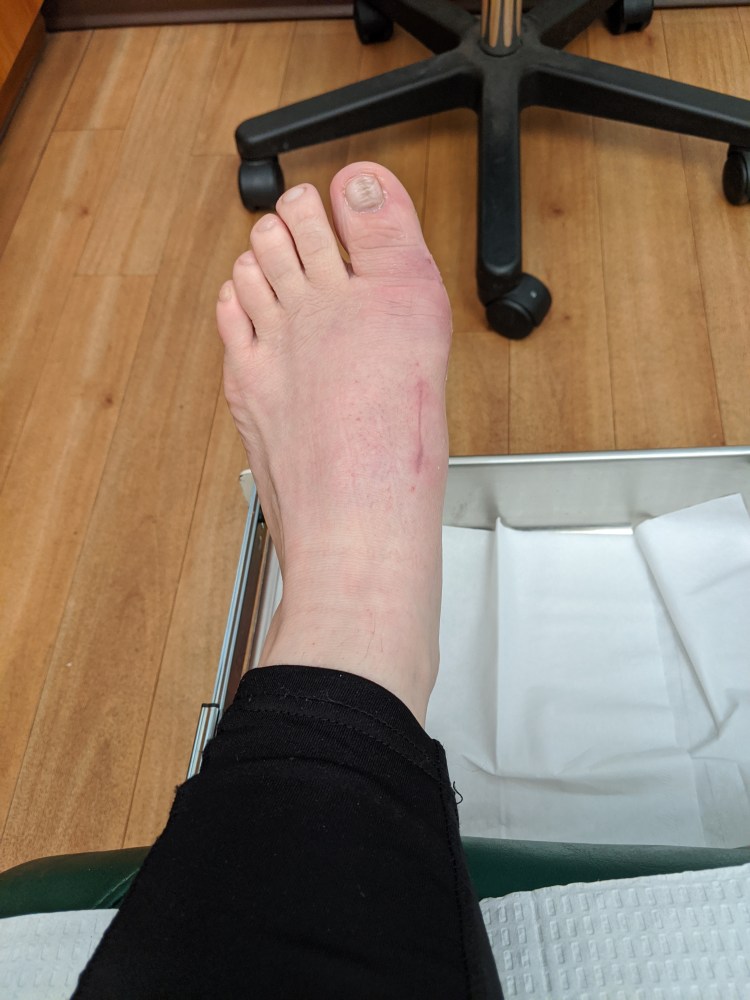
Foot 40 days after surgery, was told it is healing well and good flexibility! 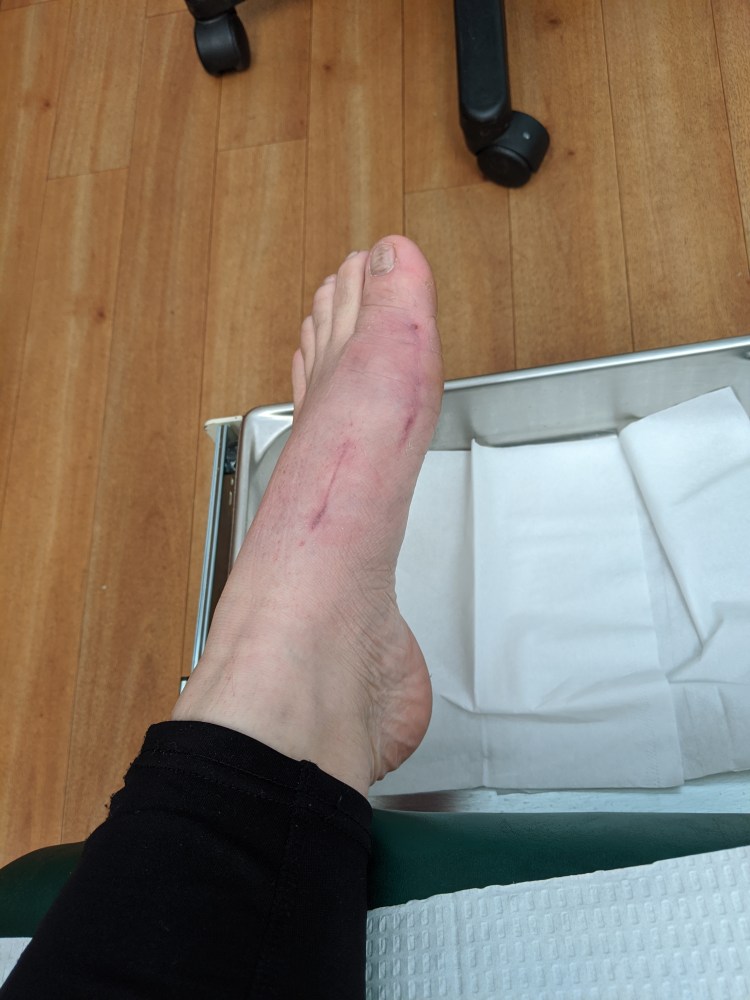
Side angle of 40 days after surgery, skin mostly back to normal from being dry. 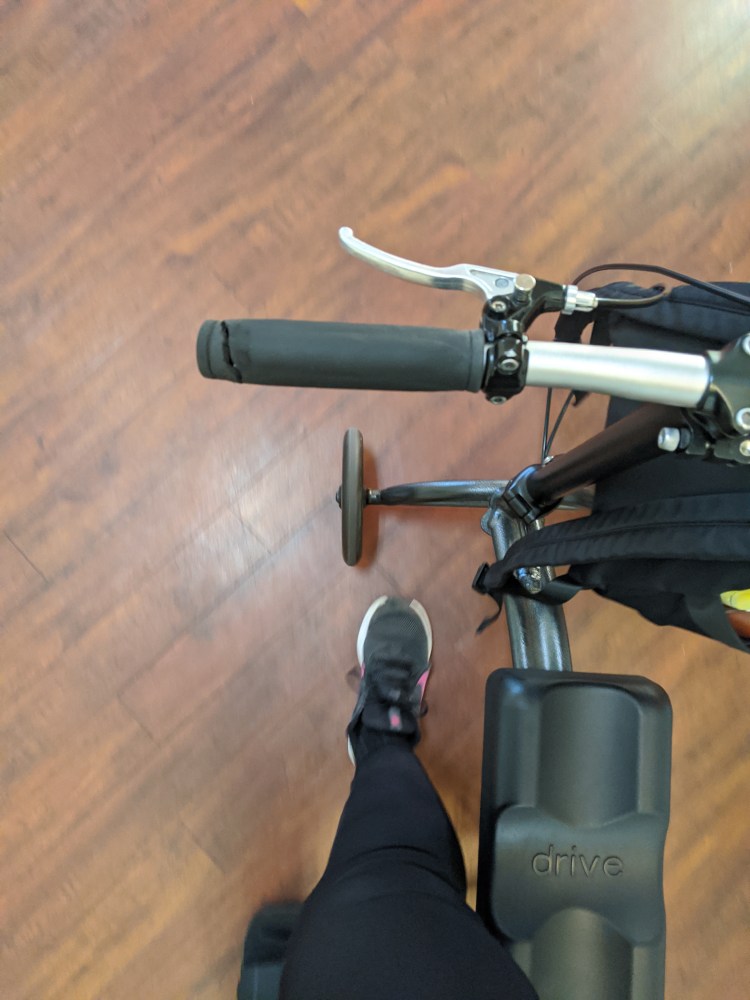
Was able to leave appointment, 40 days after surgery, walking in my boot! Didnt need scooter after this. 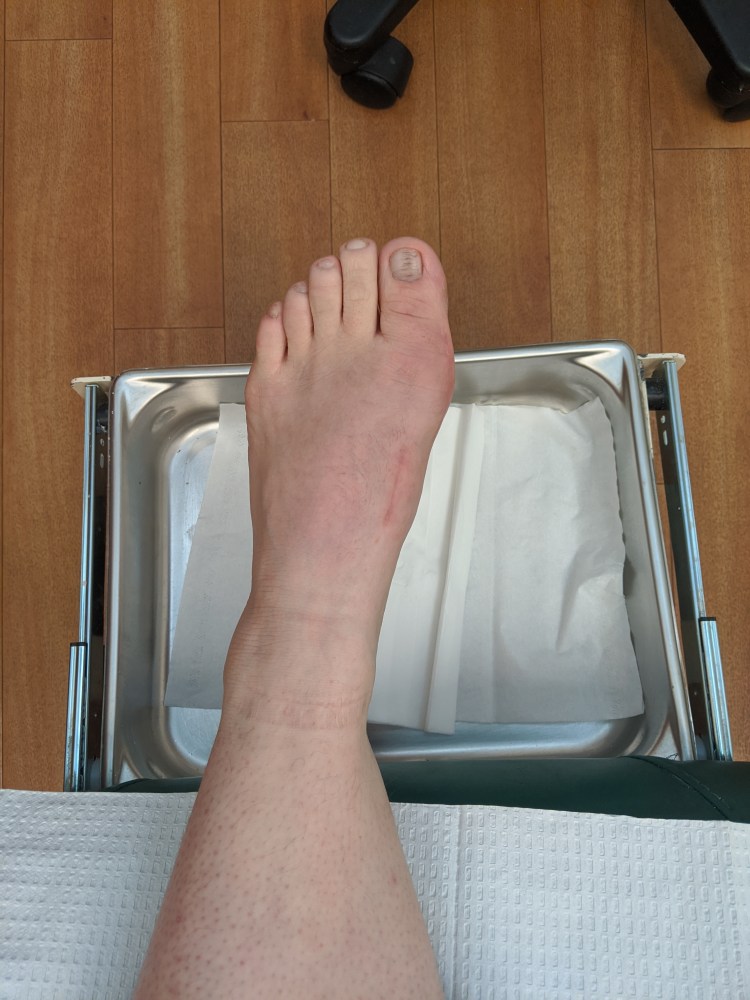
54 days after surgery! Allowed to leave appontment without boot and walk normal. 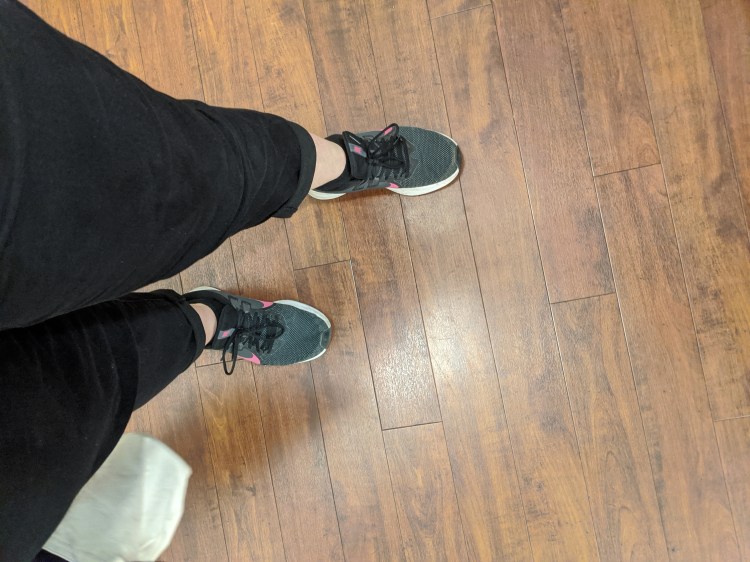
Leaving appointment with no support! 
75 days after surgery comparison. 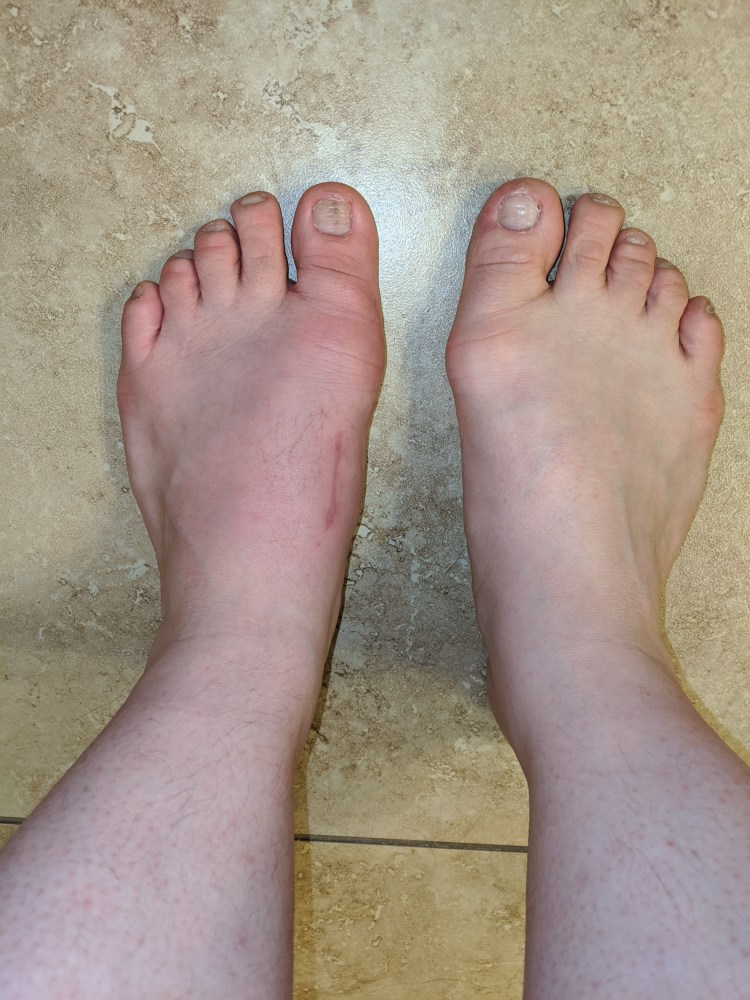
75 days after srugery closer up. 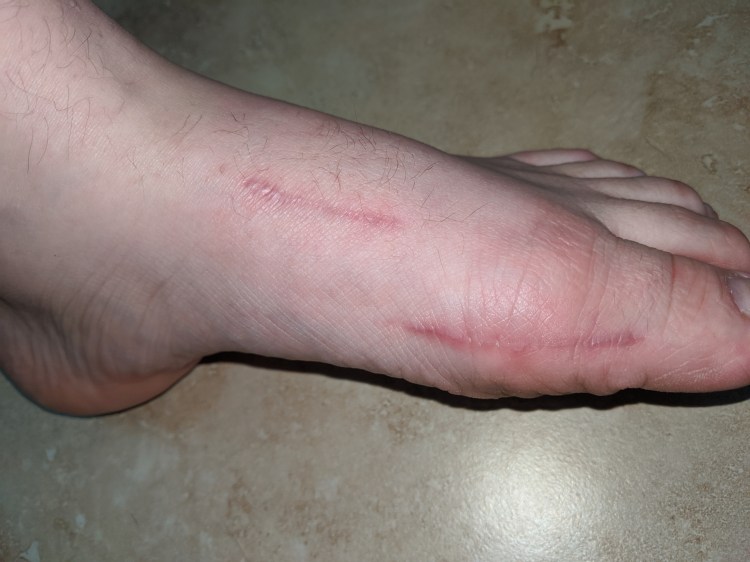
Side note my surgery foot got hairy by the surgery site and my doctor didnt know why. I joked I am the cure for baldness and that she should write an academic paperwork on me. 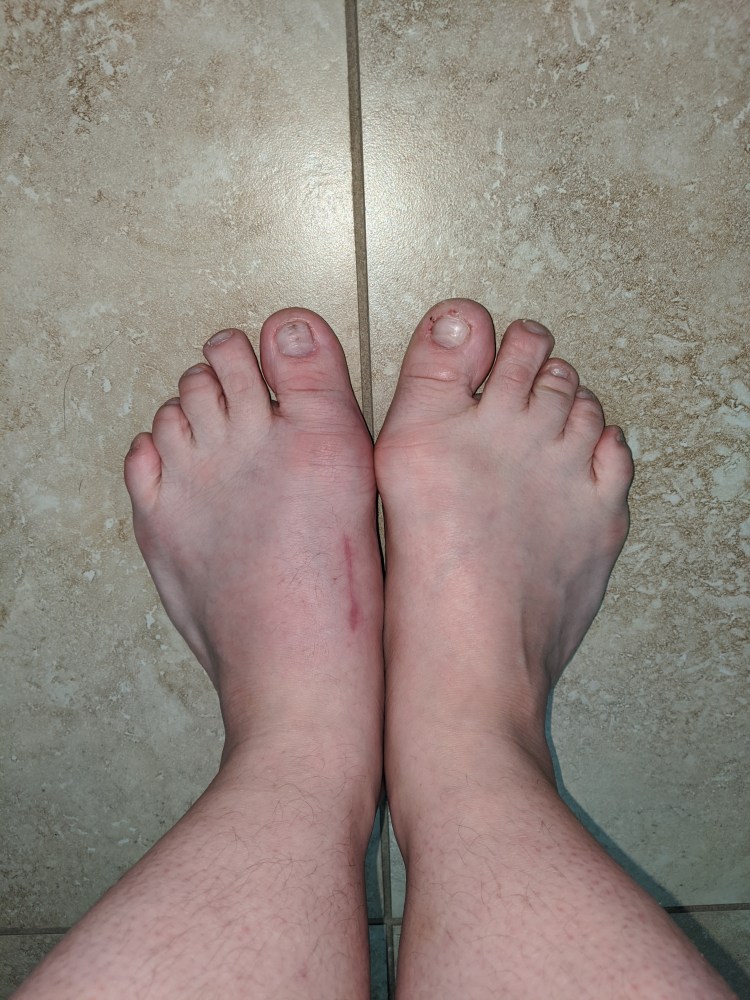
My feet today, 110 days after surgery. Tried to line of feet evently on a grout line on my floor so you can see the different in the toe angles.
Post-surgery tips
Rest:
Plop in bed, rest. As much as possible.
How to control swelling- elevation and ice packs:
Keep your foot up, using an ice pack behind the knee or even over the wrap will be helpful, as your wraps getting smaller the icing will be more effective and you can start to feel it on your actual foot. Elevate foot above your heart and ice it regularly it can make a huge difference on swelling and pain. Make sure when using ice packs to ensure there isn’t condensation getting your foot wet, paper towels can help this!
Pain medicine:
Take your pain medicine regularly the first few days, my doctor recommended taking it just as I start feeling any tiny amount pain (even if its small at first) because medicine can take 40 minutes to come in affect, depending on what medicine you are prescribed. Opioids and strong pain medicine are meant for situations like these where regular pain meds are not effective enough so don’t be afraid to use them as advised by your doctor, however, try to get off of them as soon as possible. After a few days see how you feel before taking another dose and go from there. They are very addictive and you want to only take them when no other pain medicine helps and of course as advised by your doctor.
Transporting food or drinks around house:
Putting drinks in a water bottle make it much easier than carrying an open glass and putting food in tupperware/ to go boxes can mean you can put it in your tote bag on the scooter handle or your shoulder and now have both hands to navigate to the eating area instead of nervously balancing it as you move.
Am I being lazy?
You might feel lazy or useless but you body just had a major operation and needs time to heal! Don’t feel guilty for sleeping a lot more and not being able to contribute to normal activities, have a discussion with your family/people you may live with on what you need them to help you with. Slowly you will gain more independence too as you heal.
Go to your check ups!!! If you have any concerns, ask.
How much to move around:
After the first day or so, getting up every hour or two during the day is good! It can be easy to stay in bed all day, but taking small breaks to get water, go to the bathroom or take a breath of fresh air can be good for you and your body so that you don’t feel stiff and weak after a while. If it is helpful try setting phone reminders can keep you on track with remembering to move a little.
Rainy season?
Depending on weather, you might want to have a back up plan if you have to navigate through rain in your boot/wrap. This can mean an umbrella or jacket normally but you also need your foot covered too. Having a trash bag/plastic cover that you can wrap around your foot as your scoot/use crutches to get in and out of a building can be super helpful, otherwise you may feel stranded or stuck if it starts raining when you are away from home.
Starting to walk again
I myself haven’t gotten to this stage, but my biggest advice so far is really listen to your doctor. If you are not needing to go to physical therapy your podiatrist will likely give you foot strengthening exercises to do at home to get your foot back to normal. Do them, as often as recommended and as accurately as possible. It will be annoying and tedious if you like me don’t like exercising in general and give up quickly, but you went through this entire process, through surgery, taking time off, spending money, so don’t give up now!
Update: I have now passed this stage. Definetely try to stretch and strengthen your foot, but please ask questions and follow the directions of your podistrist. It is good to pursue strengthening but also do it gently and gradually, remember to be kind to yourself!
Other Online Information
Helpful basic information:
Mayo clinic: https://www.mayoclinic.org/diseases-conditions/bunions/diagnosis-treatment/drc-20354805
John Hopkins Medicine: https://www.hopkinsmedicine.org/health/treatment-tests-and-therapies/bunion-surgery
Harvard: https://www.health.harvard.edu/diseases-and-conditions/what-to-do-about-bunions
What to expect after:
Detailed but easy to https://myhealth.alberta.ca/health/AfterCareInformation/pages/conditions.aspx?HwId=zu2044
Other Personal Experiences:
Very well documented blog of this individual’s entire experience: http://lifesabeachmom.blogspot.com/2013/10/the-bunion-diaries.html
Another blogged experience: https://iristina3a.blogspot.com/
The r/bunions subreddit on Reddit, not very large but can be a great place to look at past conversations/posts or ask a question yourself.
Good luck!
I hope this information was helpful in any way! Good luck on your journey, I wish you and your feet the very best!
Note: This blog was made in December 2019 from a 22 year old in the US, for context. Updated in April 2020:)
 Bunion Surgery Advice